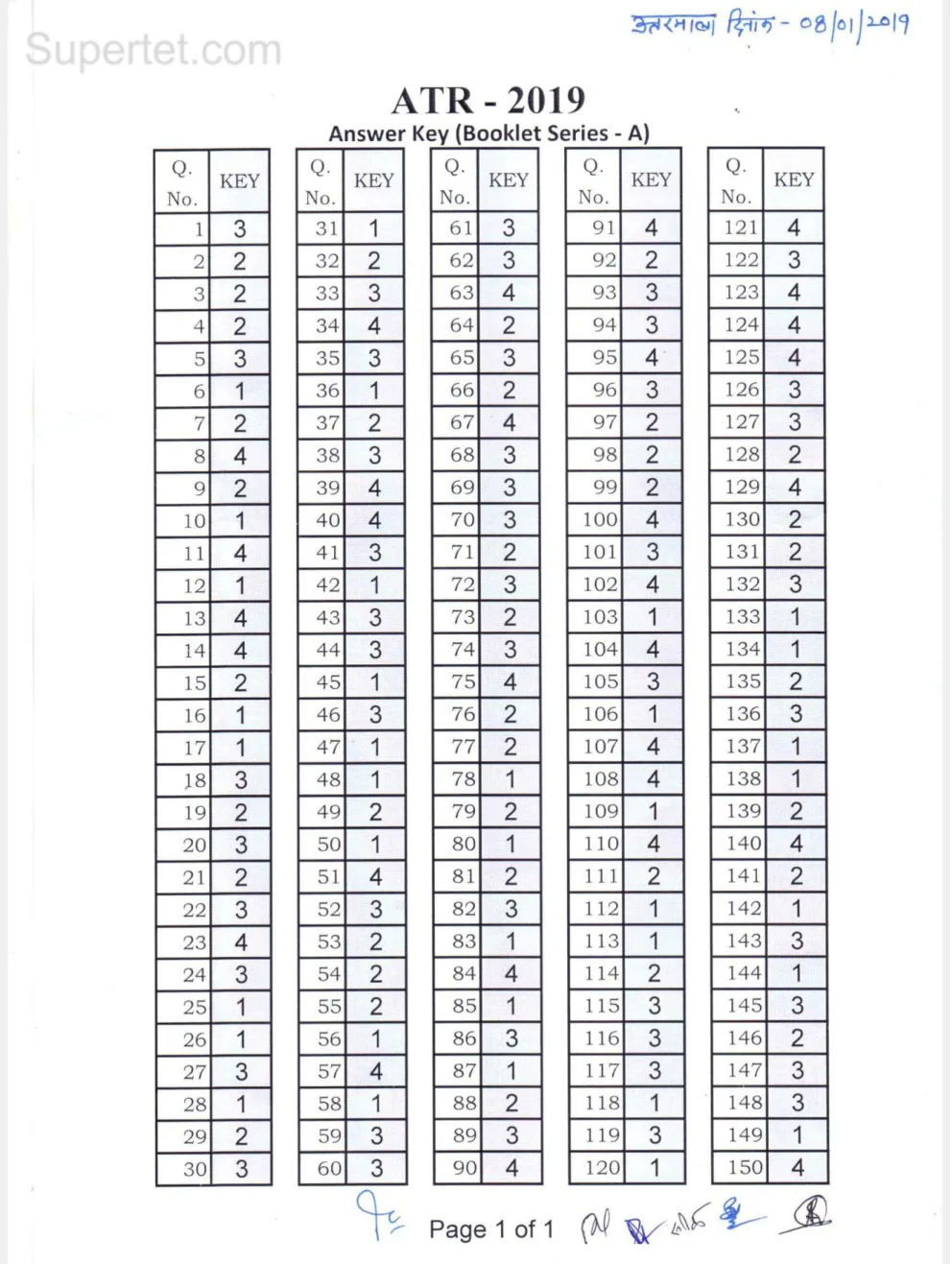
Historical Architecture: 2019 Examination vs 2026 Examination Blueprint
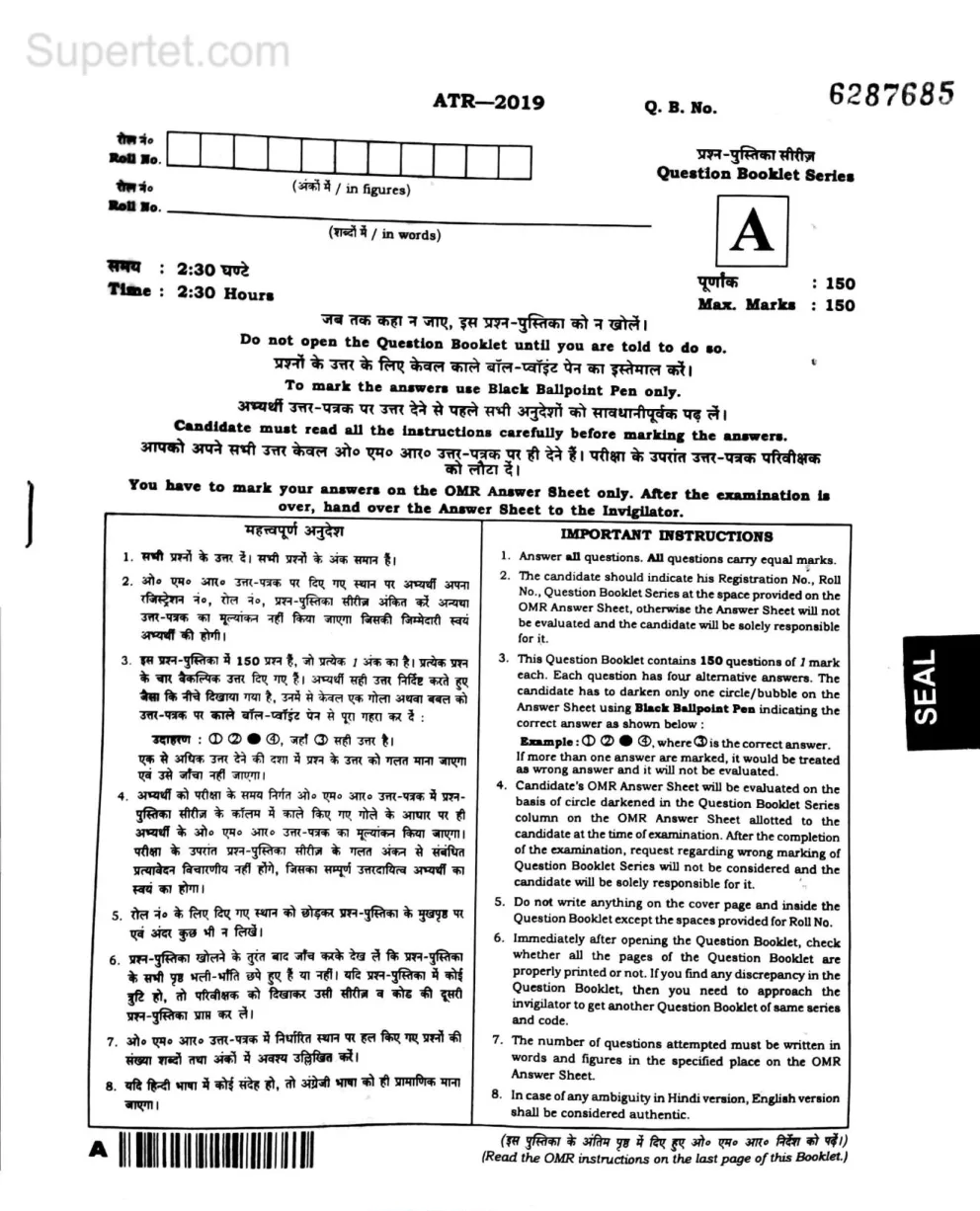
A foundational requirement for competitive aspirants in Uttar Pradesh is recognizing the structural distinction between historical examinations conducted by the Examination Regulatory Authority (PNP Prayagraj) and the modern institutional framework governing future recruitments. The table below details the essential structural differences between the 2019 69,000 ATR examination and the upcoming Super TET 2026 examination blueprint:
| Structural Dimension | 2019 ATR (69,000 Recruitment) | 2026 Exam Blueprint (Upcoming) |
|---|---|---|
| Conducting Authority | Examination Regulatory Authority, UP (PNP Prayagraj) | UP Education Service Selection Commission (UPESSC) |
| Total Questions | 150 Multiple-Choice Questions | 120 Multiple-Choice Questions (Draft structure) |
| Maximum Marks | 150 Marks (1 mark per question) | 360 Marks (3 marks per question) |
| Negative Marking | Zero (No negative marking applied) | -1 Mark per incorrect response (Proposed) |
| Duration | 150 Minutes (2 hours 30 minutes) | 120 Minutes (2 hours) |
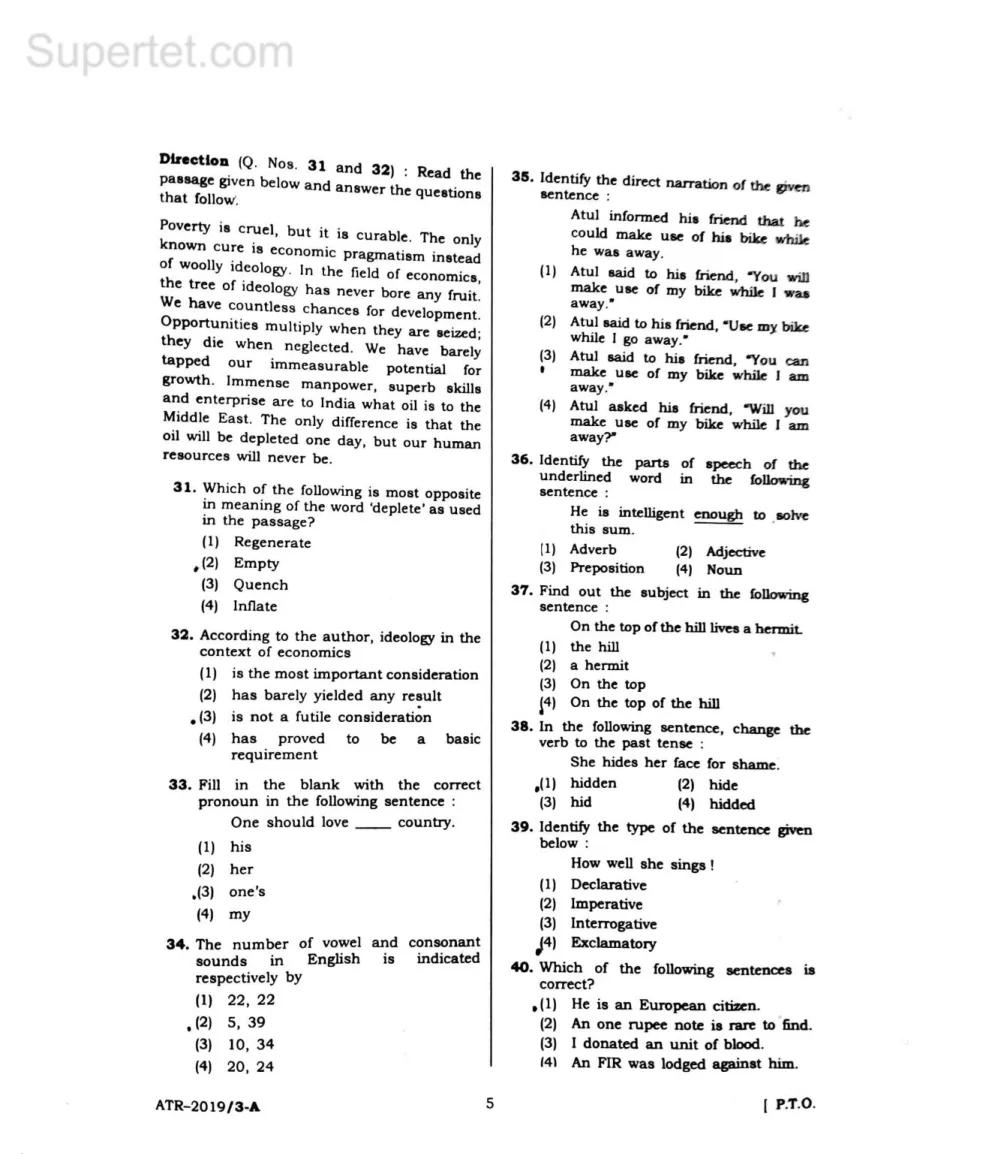
| Language Weightage | 40 Questions (Hindi 20, Sanskrit 10, English 10) | Language paper integrated under Part B |
| Qualifying Cut-off | 65% (97/150) General, 60% (90/150) Reserved | Subject to commission notification post-exam |
How to Maximize Preparation Value from this 2019 Practice Exam
Aspirants often question whether solving historical 150-question papers remains worthwhile given the evolving commission structure. Empirical evidence demonstrates that past question papers provide three irreplaceable advantages:
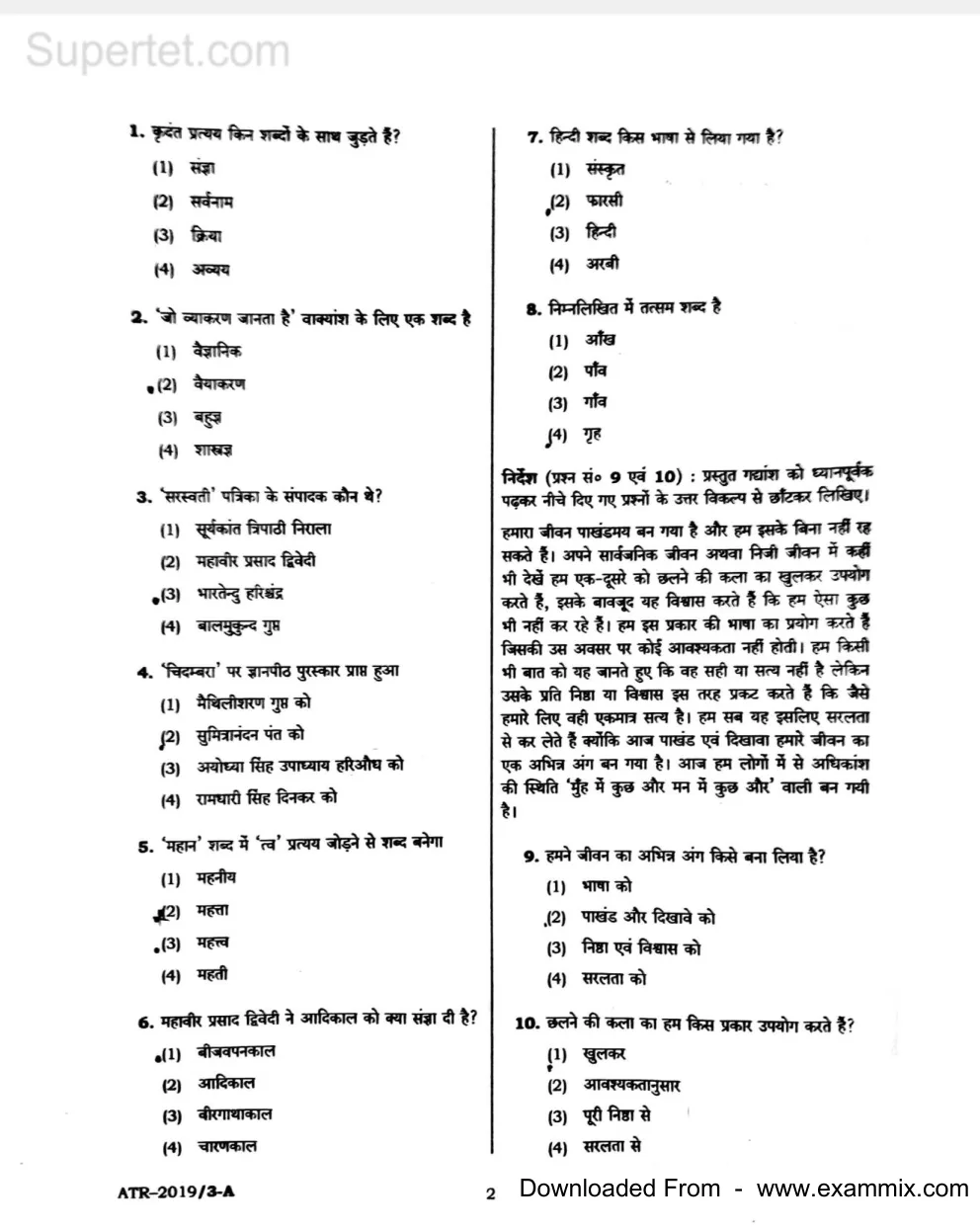
- Gauging Subject Depth in Hindi and Sanskrit: Questions 1 through 30 illustrate the exact grammatical depth expected by UP state evaluators, encompassing sandhi, samas, pratyaya, alankara, and classical literature citations (such as Saraswati patrika editors and Gyanpeeth awardees).
- Pedagogical and Psychology Formulation: Questions 61 through 73 capture the applied nature of child development, evaluation scales, NCERT principles, and disability rehabilitation acts (RCI) common to teaching recruitments.
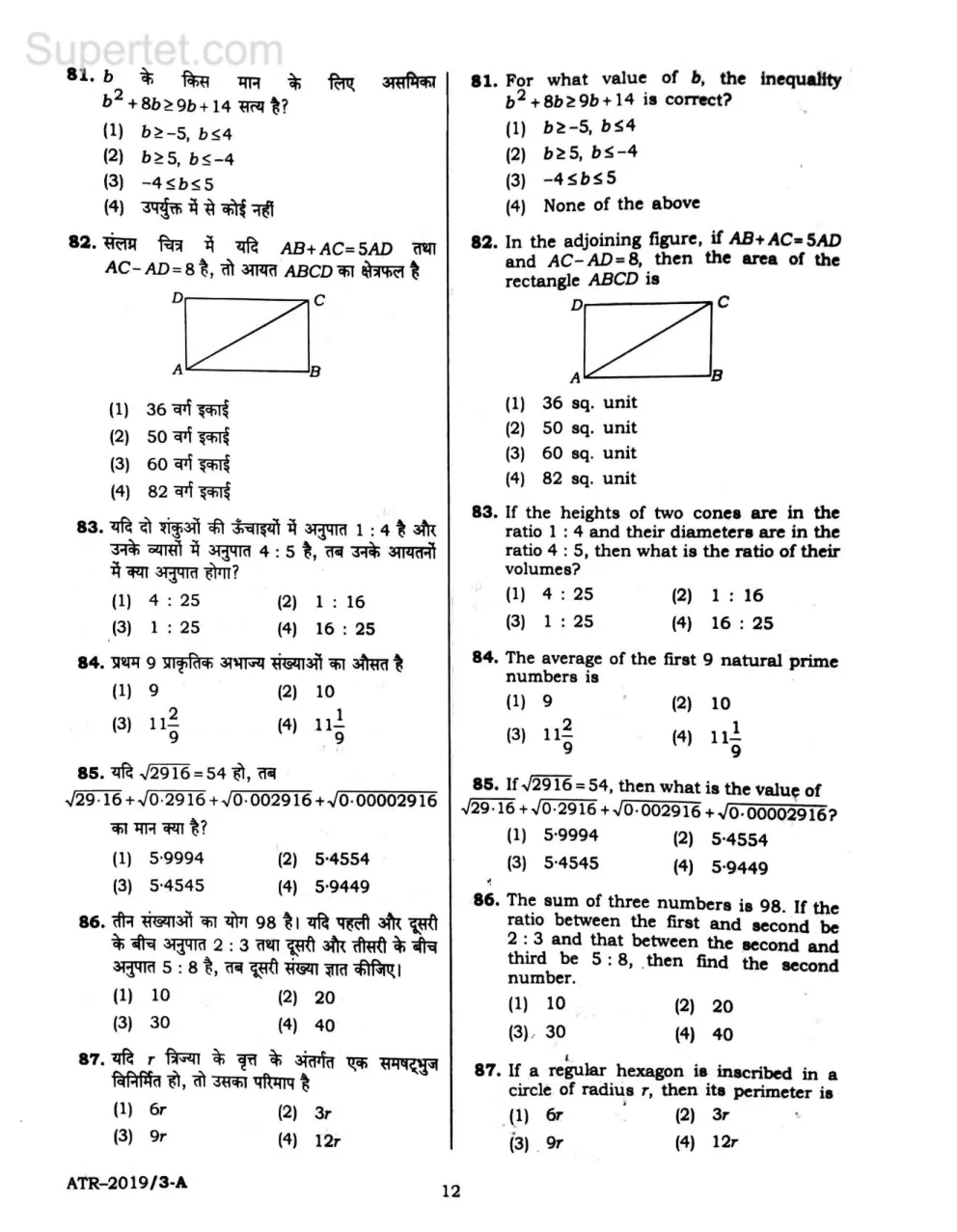
- Mathematical Calculation Speed: Questions 81 through 102 demand rapid formula application in geometry, percentages, compound interest, and recurring decimals under timed pressure.
Continue Your Comprehensive Preparation
After completing your review of the 2019 paper, explore our dedicated curriculum guides, 2026 pattern mock tests, and subject notes: